

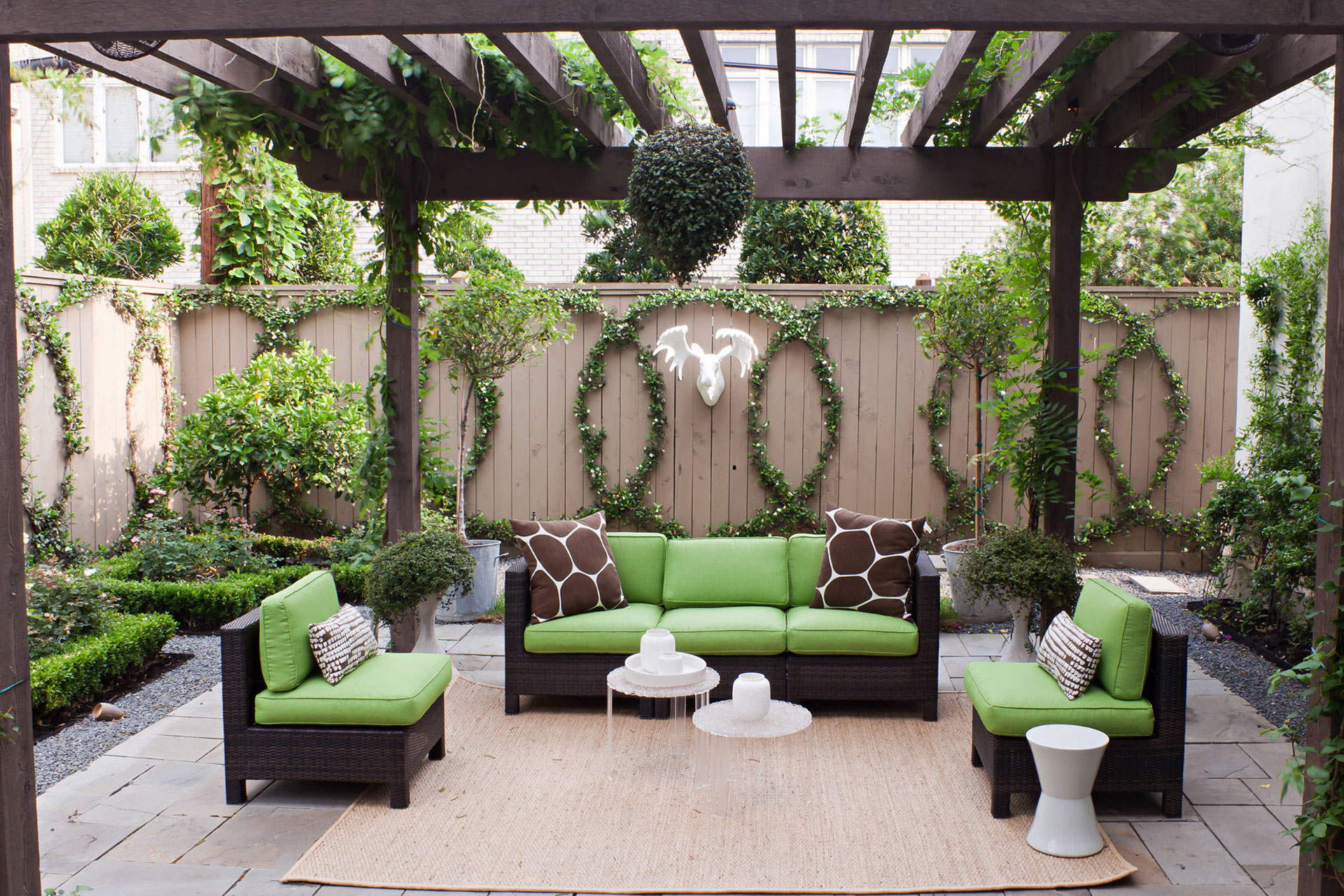
In the current world, where environmental awareness is not only a fashion but also a requirement, eco-friendly landscaping has become a key player in enhancing sustainability. This is not just a form of gardening, but a kind of gardening that aims to create a landscape that exists in harmony with the environment. Eco-friendly landscaping is a practice that applies sustainable methods towards conservation of resources, to benefit local ecosystems, and to minimize environmental impact. Be it a homeowner planning to remodel his/her garden or an individual seeking greener alternatives, the guide will give a good perspective on sustainable landscaping.
Commercial Landscaping Companies: Leaders of Environmentally-Friendly Operations
Eco-friendly landscaping is not only emerging in home gardens, but it is also becoming a major principle with most commercial landscaping corporations. These entities are at the forefront of incorporating sustainability in their projects. They apply techniques that not only make business premises more beautiful but also add value to the environment. Commercial landscapers lead the way in environmental stewardship in the landscaping profession, through the choice of native landscaping plants and the use of water-efficient systems.
Learning the Essentials of Green Landscaping
Sustainable Plant Selection
The use of environmentally-friendly plants is one of the pillars of eco-friendly landscaping. This involves the selection of indigenous species or modified species that survive naturally in the climate and soil characteristics of your area. Native plants consume less water, pesticides, and care, thus being a friendly and economical option to the environment. They also supply vital habitats and food to the wildlife in the area, leading to biodiversity.
Water Conservation Strategies
Another important issue of environmentally friendly landscaping is water conservation. Rainwater harvesting, drip irrigation, and the use of mulch are all techniques that can significantly decrease the use of water. Rainwater harvesting includes the process of collecting and storing rainwater that can be used later in the garden, whereas drip irrigation moves the water straight to the roots of the plant, thus reducing wastage. Mulching assists in holding the moisture of the soil, and it subdues weeds as well so they do not need to be watered regularly.
Sustainable Landscape
Eco-Friendly Lawn Alternatives
Besides ground covers and native grasses, another innovative idea is the production of a living lawn that has low-growing herbs. Foot-tolerant plants such as thyme or chamomile can make the lawn look greener and more pleasant to the environment. Not only will these herb lawns save you on maintenance, but they will also attract pollinators to increase the biodiversity of your garden.
Another great tactic is the creation of wildflower areas. Even in a small area, wildflower meadows can significantly decrease lawn cover and support the beneficial insects and birds. This practice breeds the wildlife locally and provides an active and changing tapestry of colors and textures across the seasons.
Also, the hardscape, which includes walkways, patios, or stepping stones, can be incorporated to cut back on the size of lawns and add utilitarian and aesthetic features to your landscape. Green products such as reclaimed wood, natural stone, or recycled pavers can fit perfectly into the natural setting.
Incorporating Organic Practices
The organic practices, besides the application of organic fertilizer and compost, also entail learning and accepting the natural processes and cycles of your garden. This involves crop rotation in the vegetable garden and the use of companion planting, where some plants are planted together to improve growth, improve pest deterrence, or attract beneficial insects.
The second feature of organic landscaping is biodiversity preservation. This is possible by providing the habitat such as birdhouses, bee hotels, or butterfly gardens. These not only help local wildlife but also provide a liveliness and feeling of life to your garden.
Also, the permeable paving in your garden design will sustain the rainwater. Porous surfaces will ensure that rainwater gets through and replenishes groundwater, thus minimizing drainage and erosion.
Conclusion
Green landscaping is not only an approach to gardening but also a philosophy that promotes a harmonious relationship with nature. Through sustainable practices, you will be able to protect the environment and make a garden healthy and thriving. The benefits of this landscaping method are numerous: it ensures less use of water, a decrease in chemical addiction, and greater support of local wildlife. Be it the choice of native plants, the use of water conservation methods, the discovery of lawn alternatives, or the use of organic gardening, every little step towards eco-friendly landscaping will count. Adopt these green techniques and make your garden beautiful and green.