

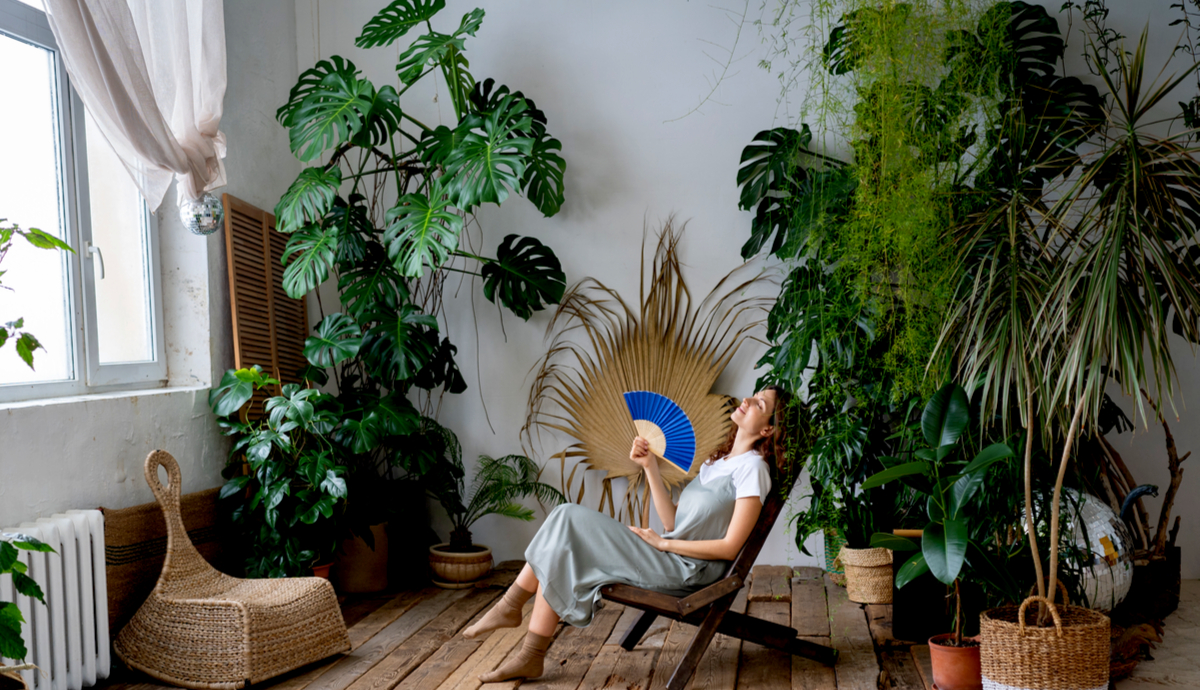
Indoor gardening may become the solution if you desire to have a garden, but you lack space or sunlight. Indoor gardening is advantageous, such as enhancing the quality of indoor air and cognitive well-being; it is environmentally friendly. With planning and a little effort, you can expand the huge quantities of plants indoors. There are seven tips to start with.
Create a Plan
Decide what kind of plants you would like to grow, and determine what sort of care such plants will need. Once you have a clear image of what you want to grow, then you can start preparing your space. You may start by laying out your garden plan.
Sketch your space, and then draw a graph paper to determine where to place each plant. This drawing will assist in making sure that your garden is not only attractive but also useful. Make sure that the place is well-lit and all the necessary watering and drainage systems are installed. Give yourself some room to alter your plan to enable you to be able to make the garden better and experiment with different ideas. Indoor gardening is enjoyable and fulfilling, and does not require much planning and effort.
Consider Your Space
Space is one of the most critical aspects that one should put into consideration when establishing an indoor garden. There will be no room, and you will be forced to be more selective in the choice of plants. Small spaces are ideally suited to be used with dwarf varieties or trailing plants.
You also want to consider the level of light that your room is getting. It will have a reduced amount of light as opposed to a south-facing room, in case it is a north-facing room. Such an orientation will influence the kind of plants you are able to cultivate.
They will not grow plants that require complete sun in a room that has a north-facing position. Plants that require partial shade will thrive. The consideration of your area and the amount of light that it receives will enable you to choose the right kind of plants to use in your indoor garden.
Potting Mix Use Quality Potting Mix
An excellent potting soil will ensure that your plants receive the nutrients they need to thrive. The type of potting mix to use should also be chosen with a high capacity to drain as water in excess can lead to certain issues such as root rot. In case you do not know what potting mix to buy, refer to the experts, such as Soils Alive, an expert in gardening, or go to your local nursery. You will soon have the right potting mix in your indoor garden with a bit of trial and error.
Select the Right Plants
Not all plants can be properly acclimatized to live in their home; some might even require special care. According to the amount of light and space, when selecting plants for your indoor garden, one should take into consideration the available space and light. In the absence of space and brightness, you might consider planting something that can withstand and thrive in such environments, such as succulents or air plants. You would be able to try all sorts of plants given that you have more room and more light.
Unless you are experienced with indoor gardening, it is advisable to begin with some of the easy to maintain plants. When you become more experienced, you may play with various kinds of plants and find the ones that work well in your house. You will have to play around to discover the right plants in your indoor garden.
Buy Some Grow Lights
The grow lights mimic the sunlight and provide plants with the energy that they need to produce food. First-time gardeners make an error of believing that any type of lightbulb will work, but not all lightbulbs are equal. In the case of fluorescent bulbs, they are inexpensive and do not generate a lot of heat, hence they can work in small operations. They also, however, generate light that is not very intense, thus stunting the growth of some plants.
The cost of LED bulbs is high compared to fluorescent bulbs, yet they produce brighter light. They are bright and hence suitable for bigger gardens or plants that need much light to grow well. When choosing a grow light, consider the requirements of the plants and the size of your business. The right grow light will result in having a year-round, healthy, and productive indoor garden.
Be careful of Pests
Despite all the precautions you may take, there is still a possibility of insects and other pests entering your home and infesting your plants. The first thing would be to seek to identify the pests in case you notice any.
Their identification will help you to determine which course of action will be the most appropriate one to take when disposing of them. The options of pest control are numerous, and it is the duty of the user to choose one that will not be a threat to their plants and even to the family. Measures should be taken to make sure that once you have killed any pests, you do not repeat it in the future.
Cash In on Technology
Today, one may find any kind of kits and gadgets that may make indoor gardening easier, more efficient, and entertaining. To give an example, self-watering planters can have the ability to make sure that your plants do not dry up even when you have forgotten to water them.
There are also grow lights which imitate the sunlight that your plants require to grow. And some apps can assist you in keeping track of the progress and knowing more about plant care. These technological advances will help with half the work, and you will achieve all the merits of indoor gardening.
The benefits of having a garden without the unpleasant weather conditions and space may be enjoyed with indoor gardening. In addition, some studies have revealed that gardening is highly healthy both to the mind and the environment. These tips would make you an expert in indoor gardening in the near future.