

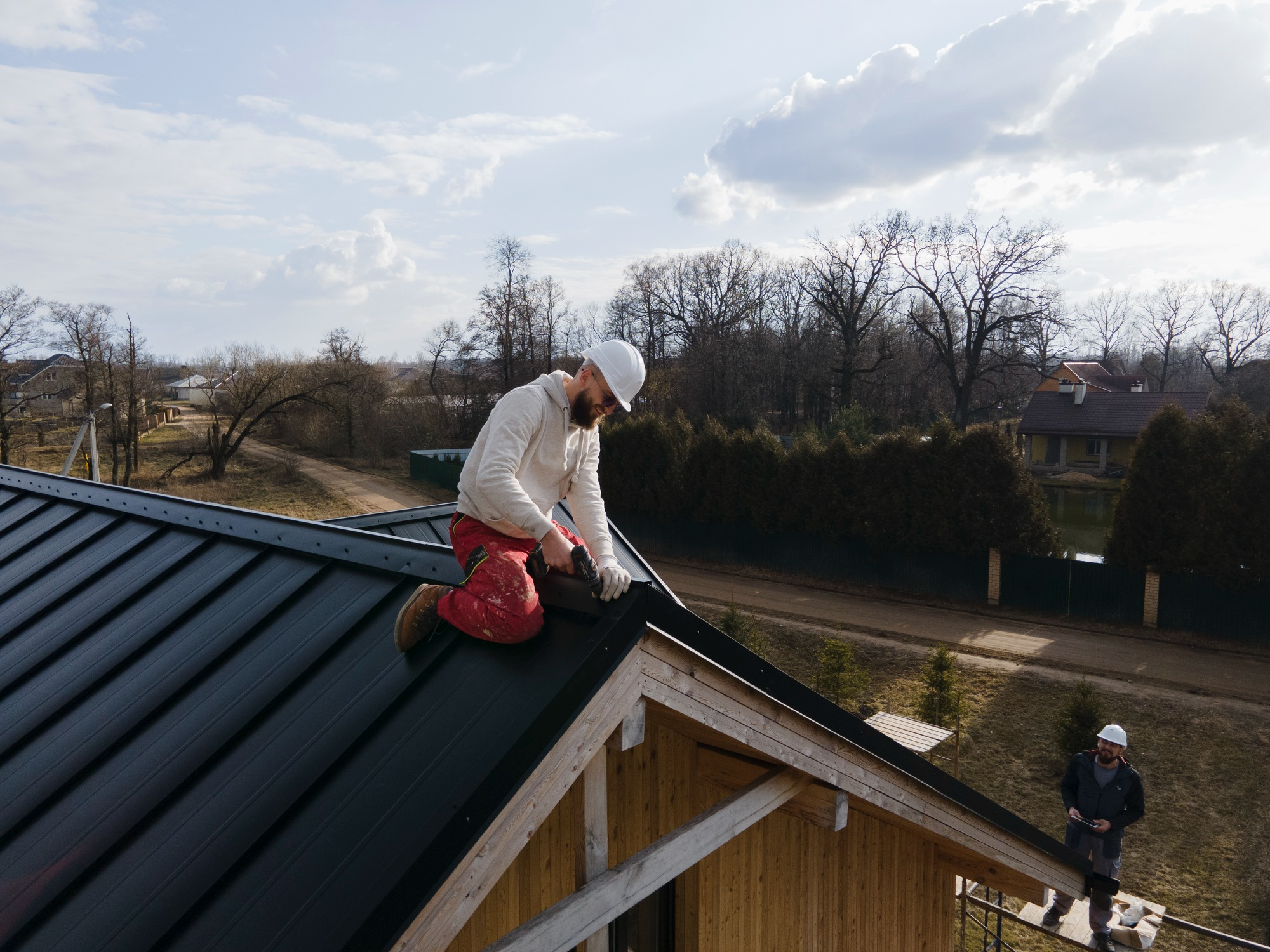
A roof problem can leave any homeowner wondering the same thing: can it be fixed, or is it time to start over? A few missing shingles may seem harmless, while a small ceiling stain can signal a bigger issue hidden underneath.
It all depends on the age of your roof, the magnitude of the damage, and the financial viability of the solution over time. Knowing the difference between repair vs. full replacement will help you to save money on your home while still safeguarding it.
Understand When Roof Repairs Are Enough
Not all roofing issues require replacing your roof. In some cases, a specific repair may be the only thing necessary to repair the protection and stop additional damage.
Residential roof repairs may be used when damage is limited to a very small portion of the roof, around a vent or chimney, or to a small area of damaged flashing. When the rest of the roof looks fine, repairing the affected area can be a practical and affordable solution.
The key is to pinpoint the real cause of the issue. A professional inspection will let you know if the issue is isolated or if it’s a bigger problem.
When Roof Replacement Is Needed
Sometimes, repeated repairs become a pattern. If your roof is leaking in multiple spots, has extensive damage to the roof shingles, or is sagging, you might need a more comprehensive solution.
Age matters, too. The lifespan of asphalt shingle roofs is typically 20 to 30 years, but can vary based on roof material quality, installation, ventilation, and weather conditions in the area.
When there is a deterioration in large areas of the roof system or when the underlying decking has suffered from major damage, a roof replacement may be more appropriate. A qualified roofer can assess the roof’s overall condition and explain whether repairs are likely to provide dependable protection.
Compare the Long-Term Costs
The repair of a roof typically is less costly than the replacement of the entire roofing system. That’s a very good thing if it’s just minor damage and the rest of the roof is still good.
But if you have to pay multiple repair bills, it can cost you a lot. If you are paying to repair new leaks every couple of months, it may be worthwhile to compare repair costs with replacement.
Get a comprehensive quote that provides details of work, materials, labor, and any extra repairs that might be required after working through the damaged areas. If replacement is recommended, ask why a repair would not be sufficient.
Check the Roof’s Structure, Materials, and Warranty
The visible shingles are only one part of a roofing system. Underlayment, flashing, ventilation, decking, and drainage all contribute to its performance.
Adding new shingles to a widespread problem or to an area that was already damaged by moisture simply may not cure the cause. If there are issues in the decking, ventilation, or other areas, ask the contractor to explain it.
The type of material is an important consideration too. Asphalt shingles are still a popular choice, and other roofing materials like metal could be better for some homes and budgets. Consider durability, upkeep, aesthetics, and warranty coverage if replacing the roof.
A written estimate should include a description of materials, scope of work, and manufacturer and workmanship warranties.