

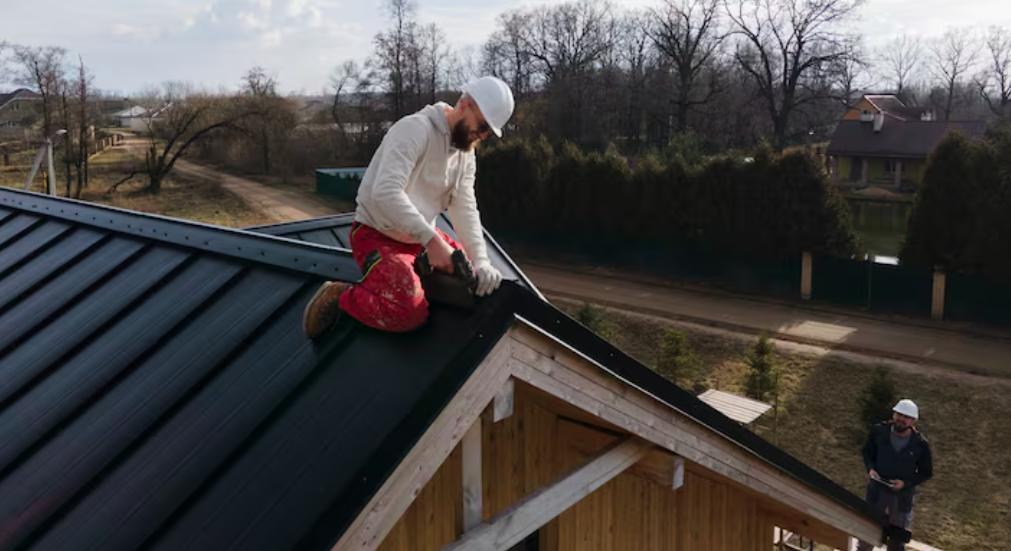
Replacing a roof is one of the most significant and consequential home improvement projects a homeowner will ever undertake.
Because your roof serves as the primary barrier against the elements, the decisions you make during the process will impact your home’s comfort, energy efficiency, and market value for decades.
A successful project requires more than just picking a color; it demands careful planning, thorough research, and the selection of the right professionals.
If you are preparing to protect your sanctuary with a new roof, follow these essential tips to ensure the process is smooth, efficient, and ultimately rewarding.
Planning Your Residential Roof Replacement for Maximum Value
The secret to a stress-free residential roof replacement project lies in the preparation phase. Before you even search for a contractor, take the time to inspect your attic and exterior to understand the current condition of your roof. Are there signs of water stains, sagging, or missing shingles?
Document these areas so you can effectively communicate your needs to potential service providers. Furthermore, establish a clear budget that accounts for both the expected costs and a contingency fund for unforeseen repairs, such as damaged decking that may only be discovered once the old materials are removed. Planning ahead ensures that you remain in control of your budget and project scope.
Selecting the Best Professional for Your Roof Replacement
Choosing the right contractor for your roof replacement is the most critical decision you will make. Do not settle for the first quote you receive; instead, solicit estimates from at least three licensed and insured roofing companies.
During your interviews, ask about their experience, their safety protocols, and the specific installation techniques they utilize. A reputable professional will provide references from past projects and a transparent, written contract that outlines the materials, labor, timeline, and cleanup process.
Verify their local licensing and ensure they carry sufficient liability and workers’ compensation insurance to protect your property from any potential accidents.
Choosing the Right Materials for Longevity
Your choice of materials will dictate the lifespan, energy efficiency, and aesthetic appeal of your new roof.
While asphalt shingles are the most common choice due to their affordability and variety, consider other options like metal, tile, or slate if you live in an area prone to specific weather conditions. Research the durability ratings and energy-efficiency certifications for each material.
A high-quality roof is not just about the surface shingles; ensure that your contractor uses premium underlayment, high-quality flashing, and proper ventilation components. Investing in superior materials upfront is the best way to prevent future repairs.
Understanding the Importance of Attic Ventilation
Many homeowners mistakenly focus entirely on the outer surface, but the health of your roof depends heavily on what happens underneath. Proper attic ventilation is essential for preventing the buildup of heat and moisture, which can cause shingles to curl, rot the roof deck, and increase your energy bills.
During your consultation, ask your contractor to evaluate your current ventilation system. They may recommend installing additional ridge vents or soffit vents to ensure constant airflow.
This small technical adjustment will significantly extend the lifespan of your materials and ensure your home stays comfortable throughout every season.