

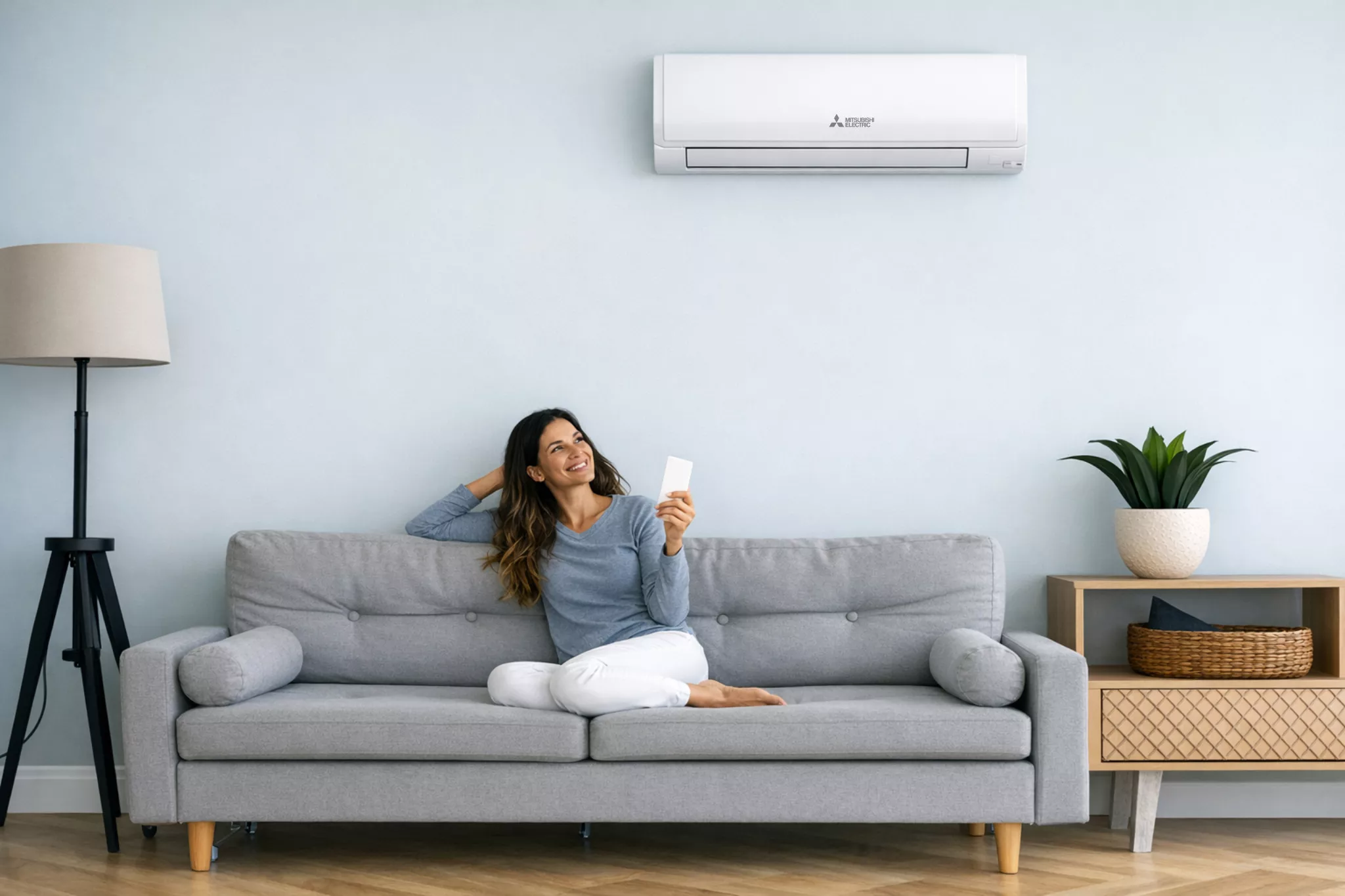
A truly comfortable home does not happen by accident. It results from deliberate choices about systems, materials, and routines that together maintain a living environment suited to every season. Many comfort problems that homeowners accept as normal are actually preventable with targeted attention. Understanding what affects home comfort throughout the year and how to address those factors proactively keeps the living environment pleasant without relying on constant adjustments or expensive reactive repairs.
Control Temperature Through Better Insulation
Temperature inconsistency is one of the most common comfort complaints in residential homes. Rooms that are too hot in summer or too cold in winter often reflect inadequate insulation rather than HVAC system failure. Adding insulation to the attic floor — where heat loss is greatest in most homes — produces immediate and noticeable improvement in temperature stability across every room below. Insulating exterior walls in older homes reduces the cold surface effect that makes rooms feel drafty even when the air temperature is adequate.
Manage Humidity Levels Seasonally
Humidity affects perceived temperature and physical comfort more than most people realize. In summer, high indoor humidity makes air feel warmer and increases the load on cooling systems. In winter, very dry indoor air causes discomfort that includes dry skin, irritated sinuses, and static electricity. Whole-home humidifiers attached to the HVAC system add moisture during dry heating months. Standalone dehumidifiers or HVAC-integrated options control summer moisture levels in humid climates.
Invest in Comfortable Outdoor Spaces with Spike Flowers
Comfort extends beyond the home’s interior. A well-maintained outdoor space — shaded seating, clearly defined garden beds, attractive plantings — provides a comfortable environment that expands daily living space meaningfully. Adding spike flowers along pathways or at garden borders introduces color and vertical structure that makes outdoor spaces feel thoughtfully arranged and inviting to spend time in. Outdoor rugs, comfortable furniture, and lighting appropriate for evening use transform patios and decks from rarely used spaces into extensions of the home’s comfortable living area that residents genuinely enjoy.
Reduce Noise for a More Peaceful Environment
Acoustic comfort is often overlooked until it becomes a source of significant frustration. Traffic noise, mechanical system sounds, and noise transmission between rooms all affect the quality of daily life in a home. Adding weatherstripping around doors reduces exterior noise infiltration. Heavy curtains or acoustic window treatments provide a secondary sound barrier. Mechanical noise from HVAC systems can often be reduced by securing loose ductwork and ensuring equipment is properly supported.
Maintain Good Indoor Air Quality
Comfort includes the quality of the air being breathed, not just the temperature and humidity. Homes with poor air quality feel stuffy, trigger allergic responses, and leave occupants feeling tired in ways they may not connect to their environment. Replacing HVAC filters on schedule, running exhaust fans during cooking and bathing, and keeping interior spaces free of excessive dust and chemical pollutants maintains air that feels clean and fresh. Having HVAC ducts inspected and cleaned every few years removes accumulated debris that continuously circulates through the living space.
Conclusion
Keeping a home comfortable year-round requires consistent attention to temperature, humidity, air quality, acoustics, and outdoor spaces. Addressing each of these dimensions with appropriate systems and habits creates a living environment that genuinely supports daily well-being. The most comfortable homes are those where preventive care replaces reactive repair as the guiding maintenance philosophy.