

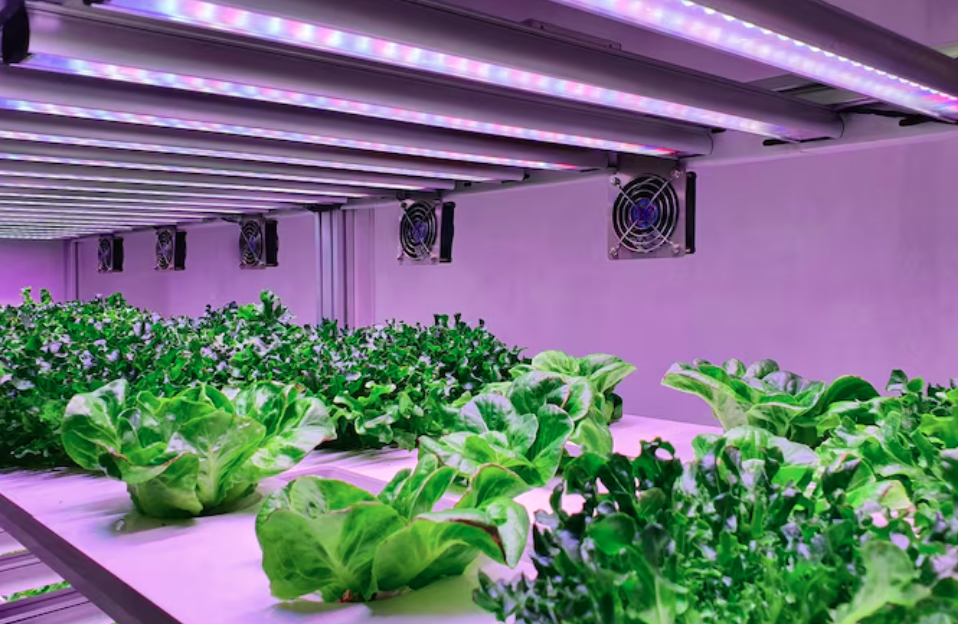
Cultivating plants successfully inside a controlled indoor environment requires mimicking natural sunlight as closely as possible to encourage robust growth, vibrant flowering, and bountiful harvests.
Whether you are growing lush houseplants, fresh culinary herbs, or delicate vegetables during winter months, choosing the right artificial lighting setup is the single most important decision you will make.
With countless options available on the market today, navigating specifications can feel overwhelming. Evaluating several critical performance metrics before purchasing indoor grow lamps ensures your garden thrives and your investment pays off.
Understanding Different Light Spectrum Options for Plant Stages
Plants require different wavelengths of light depending on their current stage of life, ranging from early vegetative growth to final flowering and fruit production.
Blue light wavelengths stimulate leafy green foliage development, while red light wavelengths are essential for triggering blooming and heavy crop yields. When shopping for indoor grow lamps, look for full-spectrum models that replicate natural sunlight across all necessary wavelengths.
Full-spectrum capability eliminates the need to swap out bulbs manually as your plants mature, providing a seamless lighting transition from seedling to harvest.
Evaluating Energy Efficiency and Electrical Power Consumption
Running artificial lighting systems for twelve to eighteen hours a day can cause your electricity bills to skyrocket if you do not choose energy-efficient hardware.
Modern LED technology has revolutionized indoor gardening by delivering high photon output while consuming a fraction of the electricity used by traditional incandescent or high-intensity discharge setups.
High-efficiency indoor grow lamps generate significantly less heat, reducing the need for heavy-duty cooling fans and lowering your overall monthly utility overhead costs while supporting sustainable indoor gardening practices.
Analyzing Light Intensity and Coverage Area Requirements
Every lighting fixture has a specific effective coverage footprint determined by its hanging height and output power. If your lighting fixture is too weak or positioned incorrectly, your plants will stretch upward weakly in search of light instead of growing thick and sturdy.
Review the manufacturer specifications for your chosen indoor grow lamps to verify coverage dimensions for both vegetative and flowering footprints.
Matching the light intensity and physical spread to your specific growing tent or shelf space ensures every single leaf receives adequate photosynthetic energy.
Managing Heat Output and Thermal Dissipation Systems
Excessive heat can severely damage delicate foliage, burn leaf tips, and dry out growing mediums faster than roots can absorb moisture. Traditional lighting fixtures often require noisy inline duct fans or complex ventilation systems to remove trapped ambient heat from the growing space.
Selecting advanced indoor grow lamps equipped with built-in aluminum heat sinks or passive cooling designs helps maintain optimal ambient room temperatures. Effective thermal management protects your plants from heat stress and extends the operational lifespan of the internal diodes.
Balancing Initial Purchase Costs and Long-Term Durability
Budgetary constraints always matter when setting up an indoor garden, but opting for the cheapest lighting equipment available often leads to premature failure and poor crop performance.
High-quality fixtures feature durable construction, water-resistant housings, and reputable manufacturer warranties that guarantee thousands of hours of reliable performance.
Calculating the long-term value of reliable indoor grow lamps—factoring in energy savings, bulb lifespan, and hardware durability—helps you make a smart investment that supports successful harvests year after year.